ServicesCar Extended Warranty
Car Extended Warranty in West University Place
When the factory warranty runs out, a failed transmission or AC compressor becomes your bill. We help you compare extended warranty plans part by part and put the coverage, exclusions and monthly payments in writing before you sign anything.

What a car extended warranty actually covers
A car extended warranty is a vehicle service contract. It pays a repair shop for covered repairs once your factory coverage has expired, usually after the bumper-to-bumper term at 36,000 miles and the powertrain term a few years later. You pay a deductible per visit or per repair, and the contract pays the rest of the approved labor and parts.
Contracts come in two basic shapes. A stated-component contract lists the parts it covers, such as the engine block, crankshaft, timing chain, transmission valve body and torque converter. An exclusionary contract covers everything except a written list of exclusions, which normally includes brake pads, rotors, wiper blades, tires and other wear items. The difference matters most on newer cars packed with sensors, control modules and electric actuators.
Before you commit, we send you the contract terms in writing: what is covered, what is not, the deductible, the term and the payment schedule. No add-ons appear later that you did not see first.
What we go over with you
- Powertrain parts, named
- We point to the exact engine, transmission and drive axle components each plan covers. Internally lubricated parts like pistons, camshafts and oil pumps are the core of most contracts, and we show you where seals and gaskets are included or left out.
- Electrical and climate systems
- Engine control modules, alternators, starter motors, power window regulators and AC compressors fail often on cars past 60,000 miles. We check whether a plan covers them, since a compressor working hard through a long Texas summer is a common repair.
- Exclusions in plain language
- Every contract has a list of what it will not pay for. We walk through it with you, including wear items, cosmetic parts, faults that were present before coverage began and damage from skipped maintenance.
- Claim rules and shop choice
- We explain how a claim works: which repair shops you can use, who calls for authorization and how the shop gets paid. That way a breakdown does not turn into a dispute at the service counter.
- Payment terms
- We offer flexible payment options, so we lay out the monthly payments, the number of installments and the total cost side by side before you choose.
Signs an extended warranty makes sense for your car
Factory coverage is ending soon
Check your odometer against the coverage booklet that came with the car. Buying before the factory term expires often means fewer inspection requirements and no gap in coverage.
Your car is past 75,000 miles
Higher mileage brings water pump, wheel bearing and transmission solenoid failures. Each of those repairs can cost more than several months of payments.
You drive a model with complex electronics
Turbocharged engines, CVT transmissions and infotainment units are expensive to diagnose and replace. A contract that names these parts can keep one failure from wrecking your budget.
You want a fixed monthly cost
If a surprise repair bill would strain your budget, predictable monthly payments let you plan around car costs instead of reacting to them.
How getting covered works
- 1
Call and tell us about the car
We ask for the year, make, model, current mileage and how you use the vehicle. A daily commute into Houston and a weekend car get different recommendations.
- 2
Compare plans side by side
We explain two or more coverage levels, from powertrain-only to exclusionary, and show which parts each one covers. You can ask about any component by name.
- 3
Review it all in writing
You get the coverage, exclusions, deductible, term, waiting period and payment schedule in writing. Take the time you need to read it.
- 4
Start coverage
Once you agree, we set up your monthly payments and confirm the start date. Most contracts have a short waiting period before claims are accepted, and we tell you exactly how long yours is.
What moves the price of a car extended warranty
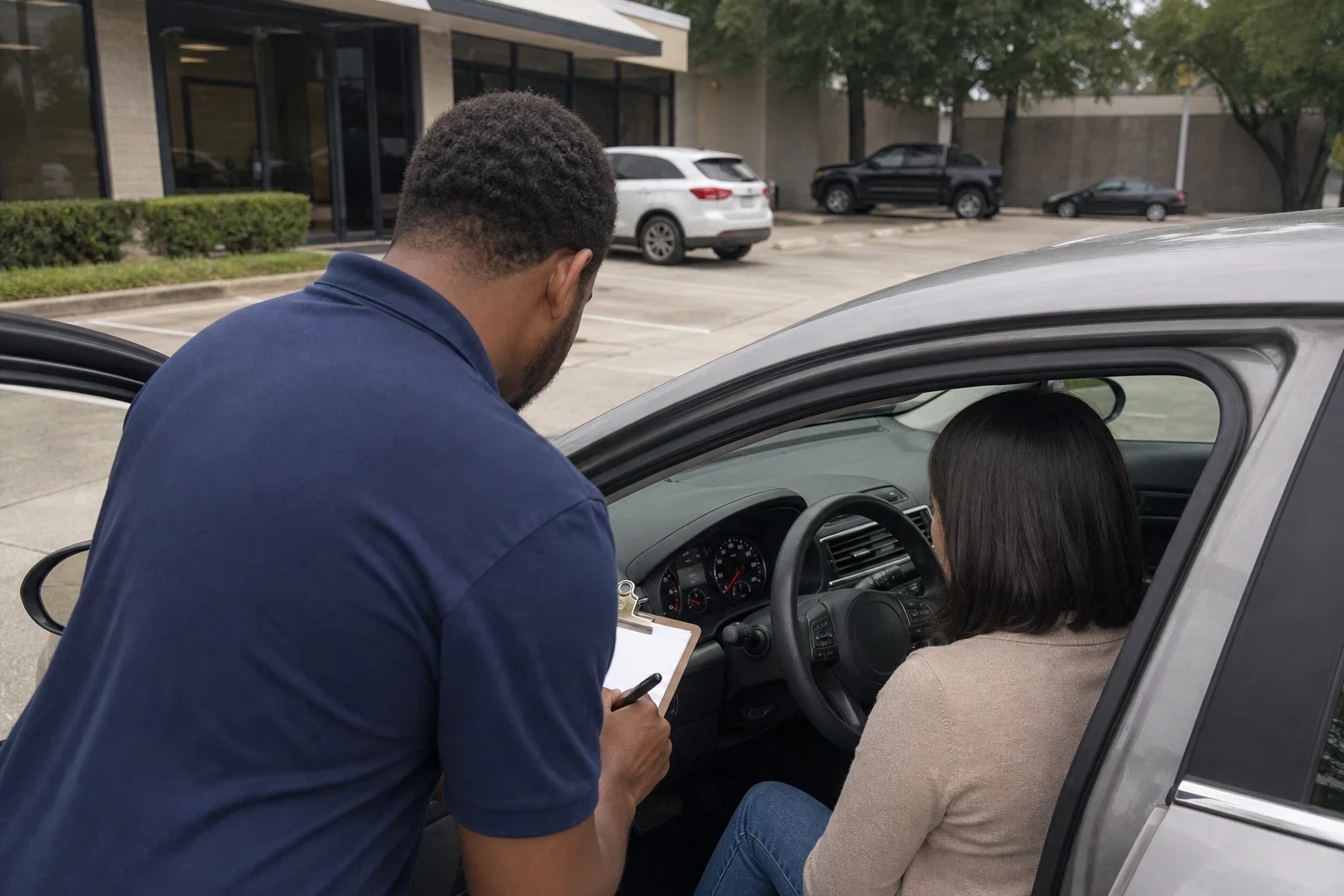
Price comes from the risk the contract carries: how likely your car is to need covered repairs and how expensive those repairs are. We explain each factor in your written quote, so you can see why one plan costs more than another.
- Make, model and engine
- Parts and labor rates vary widely. A V6 with a timing chain buried behind the front cover costs more to repair than a simple four-cylinder, and the contract price reflects that.
- Age and mileage
- Older, higher-mileage cars are closer to major failures, so coverage costs more. Buying earlier usually means a lower rate.
- Coverage level
- Powertrain-only plans cost less than exclusionary plans that also cover electronics, steering racks and climate control.
- Deductible and term
- A higher deductible lowers the payment. A longer term, in years or miles, raises the total cost but spreads it over more months.
- Payment schedule
- Paying over more installments lowers each payment. We show you the full total so the comparison is fair.
Car extended warranty questions
Something not covered here? (832) 219-6204
Will this contract fix body damage from a wreck, a hailstorm or theft?
It will not. A vehicle service contract is built around parts that wear out or quit on their own, such as a fuel pump that stops delivering pressure or a transmission that starts slipping. Dented panels, cracked glass and stolen parts belong to a separate kind of policy, and most drivers keep both in place.
Can I buy coverage if my car is already out of factory warranty?
Yes, in most cases. Eligibility depends on age and mileage limits set by each plan. Some plans may ask for a vehicle inspection or proof of recent maintenance first, and we tell you upfront if that applies.
What if something is already wrong with the car when I sign up?
That repair stays with you. These contracts are written to pay for failures that start after coverage begins, not faults the car brought with it. The waiting period helps the administrator confirm that, so the best time to sign is while the car is running well.
Do I have to keep maintenance records?
Yes, keep them. If a claim involves the engine, the administrator may ask for oil change receipts to rule out neglect. A folder of receipts or a shop's digital records is usually enough.
How is this different from your other plans?
A car extended warranty is the broadest option for cars leaving factory coverage. Our Auto Repair Warranty and Auto Protection Warranty pages explain the other plan types, and we can compare all three with you on one call.

See the coverage before you commit
Tell us about your car and we will compare plans with you, then send the parts list, exclusions and monthly payments in writing. There is no cost for the call or the quote.