ServicesAuto Repair Warranty
Auto Repair Warranty in West University Place
An auto repair warranty pays for covered parts and labor when something mechanical fails after the factory warranty is gone. We put the covered components, exclusions, deductible and monthly cost in writing before you sign anything.
What an Auto Repair Warranty Actually Pays For
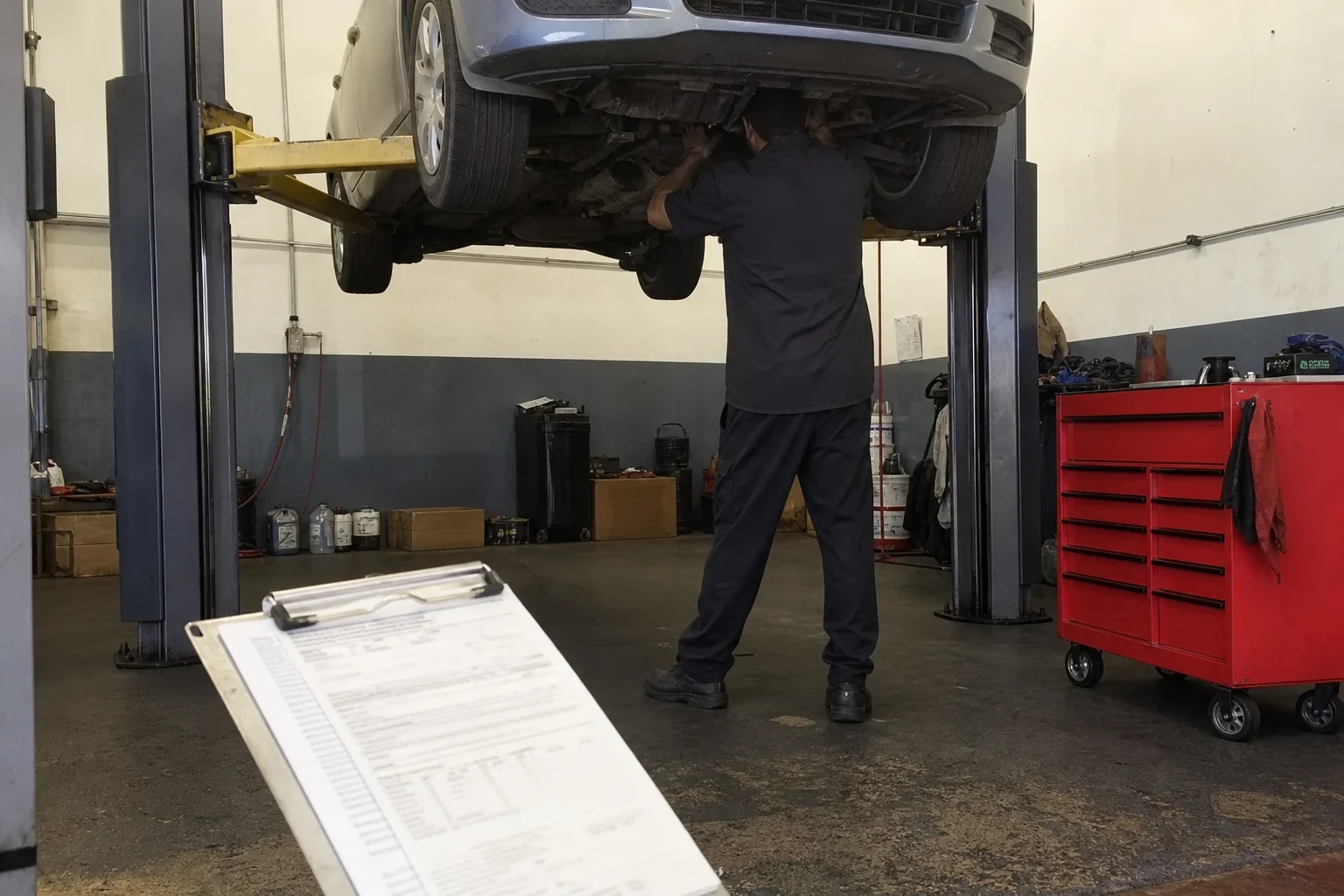
Most auto repair warranties are vehicle service contracts. When a covered part breaks from normal use, the contract pays the repair shop for that part and the labor to replace it, minus your deductible. It does not pay for crash damage, and it does not pay for parts that wear out by design, such as brake pads, tires and wiper blades.
The value depends on what is listed in the contract. An exclusionary plan names the few things it does not cover, and everything else mechanical is in. A stated-component plan names only what it does cover, so a failed power window regulator or blend door actuator may fall outside it. We explain which type you are looking at and show you the component list line by line.
This is usually the right call for drivers of vehicles past roughly the end of factory powertrain coverage, and for families who would rather make predictable monthly payments than absorb a sudden repair bill. If you want broader protection that goes beyond repairs, our Auto Protection Warranty page covers that.
What Your Written Quote Spells Out
Covered component list
Engine internals, transmission and torque converter, drive axles, cooling system, AC compressor, alternator, starter and electrical modules, each named so you can check your own concerns against it.
Exclusions in plain words
Wear items, pre-existing conditions, aftermarket modifications and damage from skipped maintenance. We point these out before you agree, not after a claim.
Deductible terms
Whether the deductible applies per visit or per repair. A transmission and a radiator fixed on the same visit can mean one deductible or two, and that difference matters.
Labor and diagnostics
How many labor hours are paid at what rate, and whether teardown time to find the failure is covered when the part turns out to be covered.
Term and monthly cost
Length in months and miles, the total cost, and how flexible payment options spread it out.
Signs a Repair Warranty Makes Sense for Your Vehicle
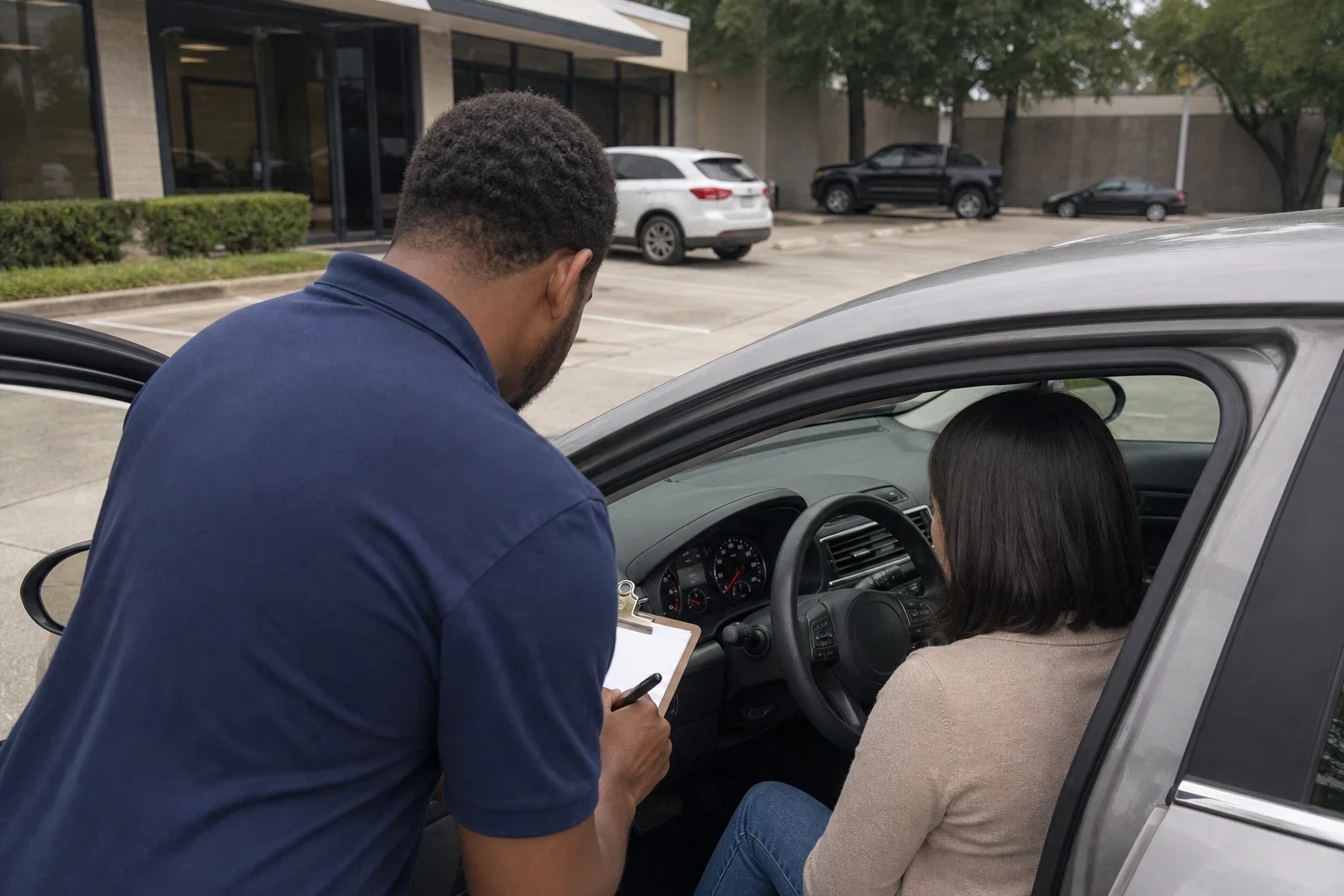
- Factory coverage just ended
- Once the bumper-to-bumper and powertrain warranties expire, every failed part is paid out of pocket. Coverage is easiest to get while the vehicle is still running well.
- High mileage on the odometer
- Past 100,000 miles, water pumps, timing chain guides and transmission solenoids start to fail more often. A single valve body or torque converter repair can cost more than a year of payments.
- Heavy AC and cooling demand
- Long, hot Texas summers keep the AC compressor, condenser fan and radiator working hard for months. Those parts are common claims, so check that your plan names them.
- A tight monthly budget
- If an unplanned repair bill would mean credit card debt, a fixed monthly payment is easier to plan around.
- Lots of electronics
- Newer cars rely on control modules, sensors and infotainment units that are expensive to diagnose and replace.
How We Put Your Coverage Together
- 1
Talk through your vehicle
By phone, video or at our office, we take the VIN, current mileage and how you drive. We also ask about service records, since many contracts require proof of oil changes.
- 2
Compare plan types
We lay out exclusionary and stated-component options side by side, with what each covers on your specific vehicle.
- 3
Get it in writing
You receive a written quote with the component list, exclusions, deductible, term and monthly payment. No add-ons appear later that were not on that page.
- 4
Use it at the shop
When something fails, the shop diagnoses it, contacts the plan administrator for authorization, and the covered amount is paid. We explain that claim path before you sign so it is not a surprise at the counter.
What Moves the Price of Repair Coverage
Price comes from how likely your vehicle is to need covered repairs and how much those repairs would cost. Every factor below shows up in your written quote so you can see why the number is what it is.
- Mileage and age
- Higher mileage means more parts near the end of their service life, which raises the cost of coverage.
- Make and model
- Vehicles with turbochargers, complex transmissions or expensive modules cost more to cover because their repairs cost more.
- Coverage level
- An exclusionary plan costs more than a powertrain-only plan because it pays for far more parts.
- Deductible choice
- A higher deductible lowers the monthly payment, and a lower one raises it. We show you both so you can pick the trade-off.
- Term length
- More months and miles of coverage increase the total cost, though the monthly payment may not change much.
Auto Repair Warranty Questions
- Is an auto repair warranty the same as car insurance?
- No. Insurance pays for accident and theft losses. A repair warranty pays for mechanical and electrical breakdowns from normal use. Many drivers carry both because they cover different risks.
- Will it cover a problem my car already has?
- Generally no. Pre-existing conditions are excluded by almost every contract. If your check engine light is on or the transmission is slipping, get it diagnosed and repaired before coverage starts.
- Do I have to use a certain repair shop?
- That depends on the contract. Some plans pay whichever qualified repair facility you choose, including the shop that already services your car. Others send you to a set network of shops. Your written quote names the rule for your plan, and we flag it when we go over the quote together.
- What happens if a claim is denied?
- Denials usually come from exclusions, missing maintenance records or a part not on the component list. That is why we walk through those items before you sign. Keeping oil change receipts is the simplest way to protect a future claim.
- How is this different from a Car Extended Warranty?
- The terms overlap, and both are often vehicle service contracts. Our Car Extended Warranty page focuses on picking up where factory coverage leaves off, while this page focuses on how covered repairs get paid at the shop.

See What a Repair Plan Would Cover on Your Car
Have your VIN and mileage handy. We will compare plans with you and put the covered parts and monthly cost in writing.